
NEW YORK (WS News) – Zohran Mamdani said that Last weekend, Immigration and Customs Enforcement (ICE) officers attempted to carry out enforcement activity near Canal Street, raising concern among immigrant communities across New York City. Incidents like this often create fear, confusion, and misinformation—especially when people are unsure of their legal rights.
As New York’s leadership has emphasized, immigrants are a vital part of the city. More than three million immigrants live, work, and raise families here. Knowing your rights is not about resisting the law—it’s about protecting yourself from unlawful actions.
This guide explains what ICE can and cannot do, how to recognize valid legal documents, and how to respond calmly and legally if you encounter immigration enforcement officers.
ICE Cannot Enter Private Spaces Without a Judicial Warrant
One of the most important facts every New Yorker should understand is this:
ICE cannot enter your home, school, or private areas of a workplace without a judicial warrant signed by a judge.
A court issues a judicial warrant and carries the authority of a judge. Without it, ICE does not have the legal right to enter private property.
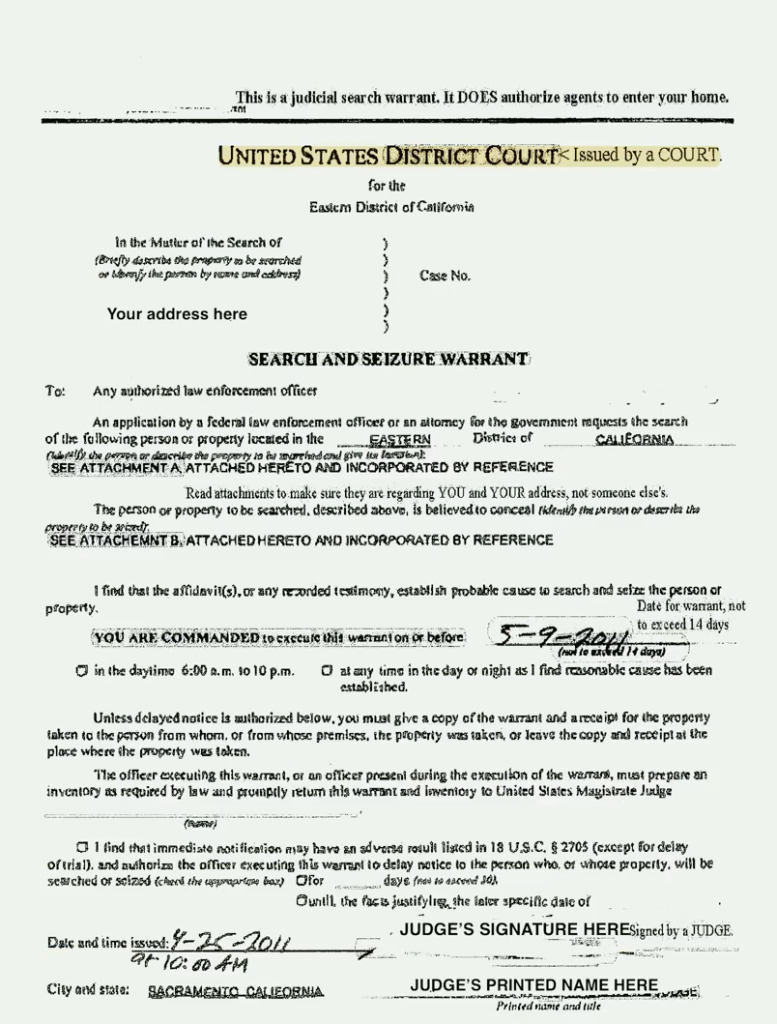
The Warrant ICE Often Shows Is NOT Enough
ICE officers may present paperwork that looks official and authoritative. Many people assume this document allows ICE to enter their home. In most cases, it does not.
The most common document ICE carries is an administrative warrant, also known as a warrant of removal or deportation. This document is issued by ICE or the Department of Homeland Security—not a judge.
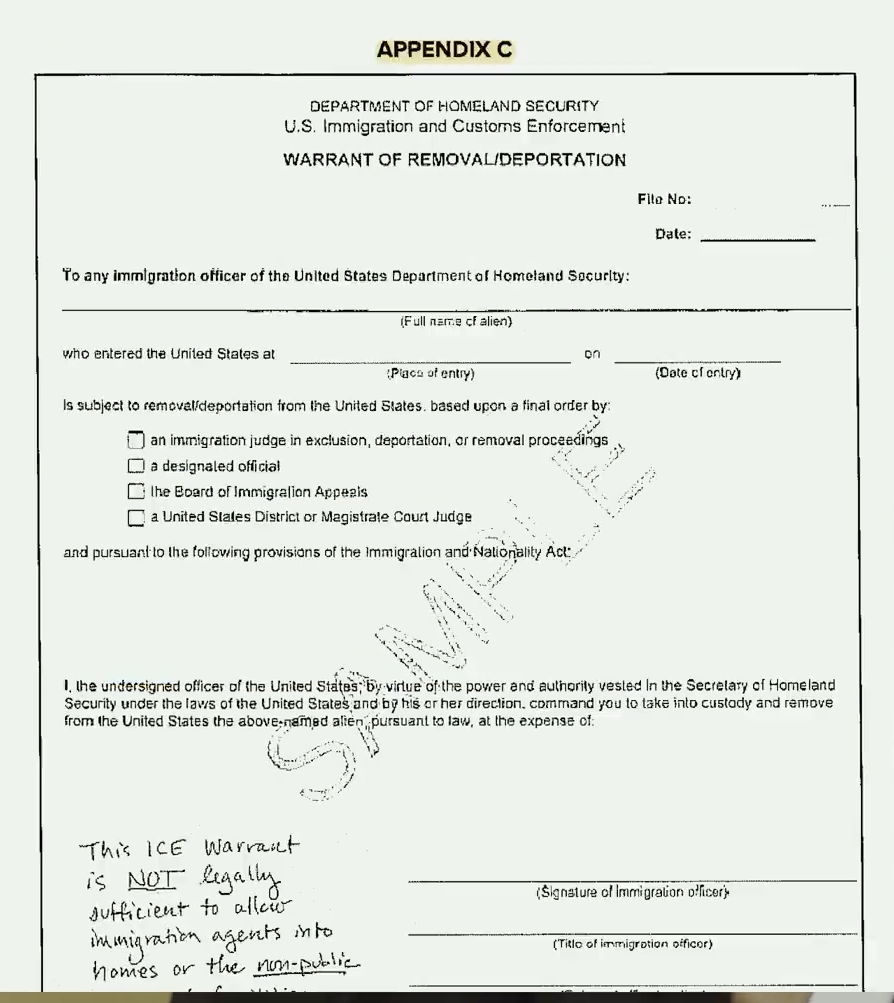
- This document is typically labeled:
- “Department of Homeland Security”
- “Warrant of Removal/Deportation”
- It does not include a judge’s signature
What You Are Legally Allowed to Say (and Not Say)
If ICE does not have a judicial warrant, you have the legal right to say:
“I do not consent to entry.”
You are not required to open the door. You are not required to answer questions. You are not required to sign documents.
ICE officers are legally allowed to misrepresent their authority, but you are also legally allowed to:
- Remain silent
- Ask for a lawyer
- Decline to answer questions about your immigration status
Silence is not an admission of guilt. It is a constitutional right.
If You Are Stopped or Detained
If ICE approaches you in public, remain calm and do not run.
You may calmly ask:
“Am I free to go?”
If the answer is yes, you may leave.
If the answer is no, you are being detained and still have the right to remain silent.
You are legally allowed to record ICE officers as long as you do not interfere with their actions.
Do not resist, do not argue physically, and do not attempt to block enforcement activity. Protecting your rights means staying within the law.
Protesting Is a Constitutional Right
New Yorkers also have a constitutional right to peaceful protest. Demonstrating, observing, and documenting enforcement activity is lawful when done without interference.
City leadership has repeatedly affirmed that New York will continue to protect civil liberties, regardless of immigration status.
Why This Information Matters
Fear thrives in uncertainty. ICE enforcement often relies on confusion—people not knowing the difference between real judicial authority and administrative paperwork.
Understanding your rights:
- Prevents unlawful entry
- Protects families
- Reduces panic and misinformation
- Empowers communities legally, not emotionally
This is not about evading the law. It is about ensuring the law is followed correctly.
Final Takeaway
If you remember only one thing, remember this:
No judge’s signature = no legal entry into your home.
Knowing your rights does not make you confrontational. It makes you informed.
New York remains a city built by immigrants—and knowledge remains the strongest form of protection.