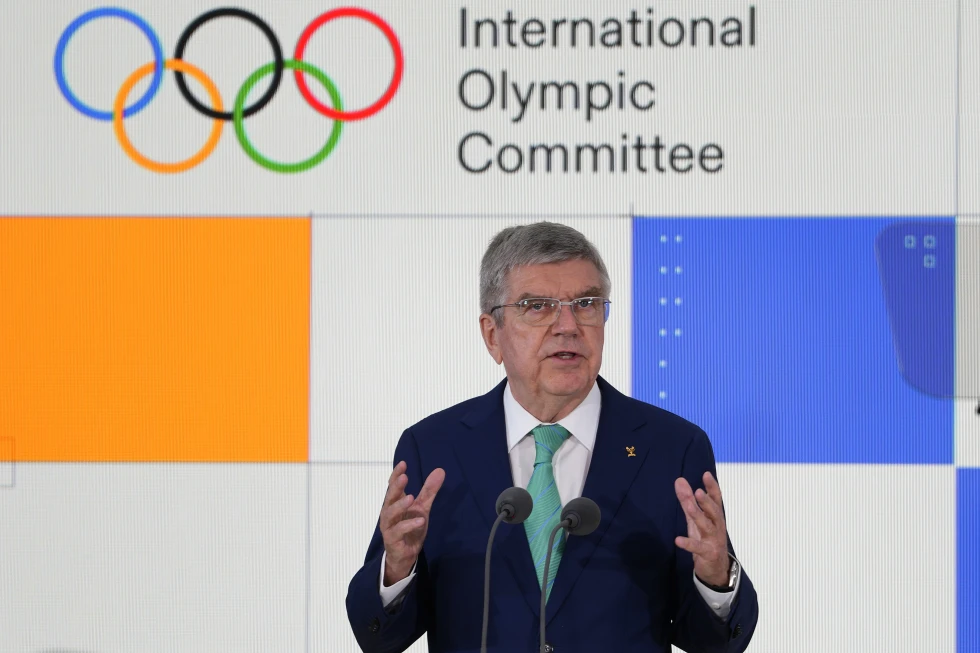
Artificial intelligence is no longer a futuristic concept in elite sport — it is shaping how the world’s biggest sporting event is planned, managed, and broadcast. Olympic organizers have unveiled a comprehensive strategy for integrating AI across athlete performance, event logistics, broadcasting, and fan engagement. This deep dive explores exactly what that strategy entails and why it matters for the future of global sport.
What Is the Olympic AI Strategy?
The International Olympic Committee (IOC) and its partner organizing committees have formally committed to using artificial intelligence across multiple pillars of Olympic operations. The strategy covers four core areas: athlete performance analytics, smart venue management, real-time broadcasting enhancement, and data-driven fan experience personalization.
This marks a significant shift from previous Games, where digital innovation was largely limited to broadcast production tools and basic data analytics. Today, AI systems are being embedded directly into training programmes, officiating support, and security infrastructure.
AI in Athlete Performance and Training
One of the most transformative applications of AI at the Olympics is in how athletes prepare and compete. National Olympic Committees now have access to AI-powered motion analysis tools that break down biomechanical data in real time, giving coaches granular feedback that was previously only available through costly laboratory testing.
Computer Vision and Motion Tracking
High-speed cameras combined with computer vision algorithms can now track an athlete’s joint angles, stride length, and force distribution across hundreds of data points per second. In disciplines like gymnastics, swimming, and athletics, this technology helps coaches identify micro-inefficiencies that the human eye simply cannot detect.
Injury Prediction and Prevention
AI models trained on years of injury data are now being used to predict the likelihood of soft tissue injuries before they occur. By monitoring athlete workload, recovery metrics, and biomechanical stress patterns, team medical staff can make evidence-based decisions about training loads and rest cycles — keeping athletes healthier for longer.
AI in Olympic Venue and Event Management
Managing an Olympic Games requires coordinating tens of thousands of athletes, officials, volunteers, media personnel, and spectators across dozens of venues simultaneously. AI is proving invaluable in making this logistical challenge more manageable.
Smart Crowd Management
Computer vision systems installed at venue entry points and concourses can detect crowd density in real time and alert operations teams to potential bottlenecks before they become safety issues. This technology has already been trialled at major sporting events and is now being scaled for Olympic deployment.
AI-Assisted Officiating
Perhaps the most visible use of AI at the Olympics is in officiating support. Sports including swimming, athletics, gymnastics, and weightlifting are using AI-driven timing and judging systems to eliminate human error from results. In gymnastics, AI tools now provide reference scoring that judges can compare against their own assessments, improving consistency and reducing the risk of scoring controversies.
AI in Broadcasting and Media
The Olympic broadcasting operation is one of the largest media productions on earth. AI is being used to automate camera tracking, generate real-time graphics, produce automated highlight packages, and even create multilingual commentary drafts for secondary markets. This allows rights-holding broadcasters to cover more sports with fewer resources — and deliver richer content to viewers around the world.
For a broader look at how technology is changing how we consume and report on sport, see our coverage on AI in Sports Journalism and fan engagement.
Ethical Considerations and Challenges
The adoption of AI in sport is not without controversy. Questions around data privacy, algorithmic bias in officiating tools, and the potential for wealthier nations to gain an unfair advantage through superior AI infrastructure are all active areas of debate within the Olympic movement.
The IOC has stated its commitment to ethical AI governance and has outlined principles ensuring that AI tools used at the Games are transparent, explainable, and subject to human oversight. Independent audits of AI officiating systems are being proposed for future editions of the Games.
The Future of AI at the Olympics
The integration of artificial intelligence into the Olympic Games reflects a broader transformation happening across elite sport worldwide. As AI capabilities continue to advance, we can expect even more sophisticated applications — from real-time tactical analysis fed directly to coaches during competition, to AI-generated personalised content streams for individual fans.
What the current Olympic AI strategy makes clear is that sport’s governing bodies are no longer treating technology as an add-on. It is becoming central to how the Games are run, judged, and experienced.
Frequently Asked Questions
How is AI being used in the Olympics?
AI is being used across athlete training and performance analysis, crowd and venue management, officiating support, and broadcasting. This includes computer vision for motion tracking, predictive injury models, automated camera systems, and real-time scoring assistance for judges.
Will AI replace human judges and referees at the Olympics?
No — AI is being used to assist and support human officials, not replace them. The IOC has been clear that human oversight remains essential, with AI providing reference data that officials can use to improve the consistency and accuracy of their decisions.
Which Olympic sports benefit most from AI?
Sports with highly technical performance requirements — such as gymnastics, swimming, athletics, and weightlifting — benefit most from AI analytics. However, AI applications in crowd management, broadcasting, and logistics benefit the entire Olympic operation regardless of sport.
Is there a risk of AI creating unfair advantages at the Olympics?
This is an active concern within the Olympic movement. Wealthier nations with greater investment in sports technology may gain performance advantages through superior AI training tools. The IOC is working on governance frameworks to ensure equitable access to AI resources across all member nations.
For the latest in global sports technology and innovation, explore more coverage at World Sports News.